
How To Enjoy The Best Traditional German Dishes
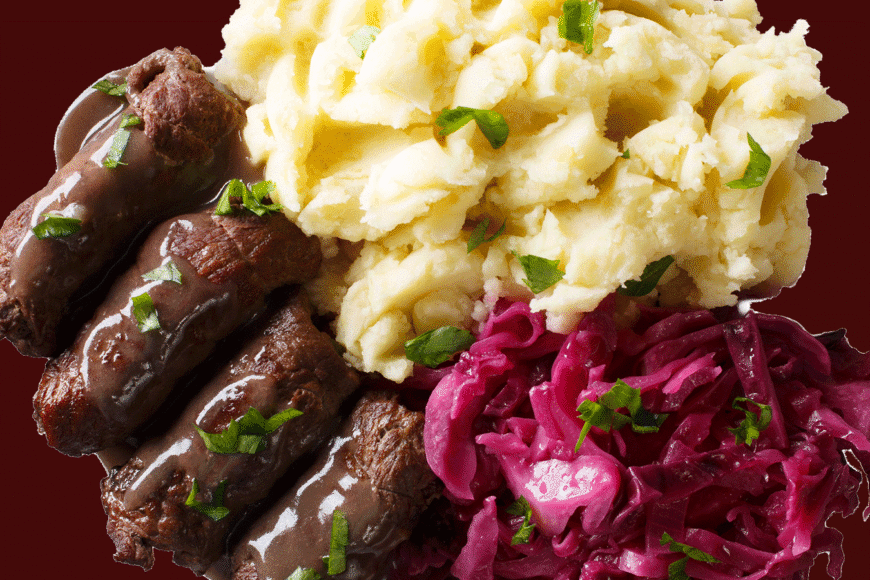
German cuisine is a hearty, comforting celebration of rich flavors, seasonal ingredients, and centuries-old culinary traditions. Far beyond the stereotypical beer and bratwurst, authentic German food is deeply rooted in regional diversity, ranging from the seafood-heavy dishes of the northern coasts to the robust, meat-and-potato staples of Bavaria in the south. Meals are traditionally designed to be filling and warming, heavily featuring high-quality meats, root vegetables, deeply flavorful sauces, and an incredible variety of freshly baked breads. Whether you are dining in a cozy rustic tavern or enjoying street food at a bustling outdoor market, the country’s culinary landscape offers a deeply satisfying experience that feels like a warm embrace on a cold day.
A traditional German dining experience often begins with savory appetizers meant to stimulate the palate, such as creamy cheese spreads like Obatzda served with freshly baked soft pretzels, or comforting bowls of clear broth studded with liver dumplings. The main courses that follow are the undisputed stars of the show, characterized by their generous portions and meticulous preparation. Slow-roasted meats take center stage, with iconic dishes like Sauerbraten (marinated pot roast), Schweinshaxe (crispy pork knuckle), and Rouladen (savory beef roll-ups) dominating the menu. These substantial proteins are almost always accompanied by rich, slow-simmered gravies and beloved side dishes like tangy sauerkraut, braised red cabbage, and pillowy Spätzle or potato dumplings, ensuring that no drop of flavor goes to waste.
No German meal is complete without indulging in the country’s world-renowned desserts, which flawlessly balance sweetness with culinary artistry. German baking is legendary, often featuring a spectacular array of yeast doughs, fresh fruits, and rich creams. You can expect to find internationally beloved classics like the decadent Schwarzwälder Kirschtorte (Black Forest Cake), layered with chocolate sponge, whipped cream, and tart cherries, alongside the comforting warmth of a flaky Apfelstrudel served with a generous pour of vanilla sauce. From playful ice cream creations like Spaghettieis to comforting steamed dumplings and tart red berry compotes, German sweets offer a magnificent and memorable conclusion to any traditional feast.
Spotting Traditional German Cuisine
Ready to dive into these comforting classics? Whether you are planning a culinary tour across the country or looking to recreate a cozy Brauhaus feast in your own kitchen, knowing exactly what to look for is the key to an unforgettable meal. To help you navigate this rich culinary landscape, here is our ultimate guide to 30 essential traditional German dishes you simply must try.
Appetizers
- Obatzda: A creamy Bavarian cheese spread that blends rich Camembert, butter, a touch of beer, and a balance of paprika and caraway, typically served with pretzels or rustic bread.
- Kartoffelpuffer: Crispy, pan-fried shredded potato pancakes, served savory with garlic sour cream or sweet with warm applesauce.
- Brezel (Soft Pretzels): A classic large, soft-baked pretzel sprinkled with coarse salt, often served warm with sweet mustard or sliced open and spread with butter.
- Leberknödelsuppe (Liver Dumpling Soup): A comforting, clear beef broth featuring a large, seasoned liver and bread dumpling garnished with fresh chives.
- Zwiebelkuchen (German Onion Pie): A savory, deep-dish quiche-like pie baked with a rich sour cream custard, caramelized onions, and diced bacon.
- Flammkuchen: A thin, crispy flatbread native to the Alsace region, traditionally baked with a layer of crème fraîche, thinly sliced onions, and smoked lardons.
- Wurstsalat (Sausage Salad): A cold salad packed with strips of German-style bologna or smoked ham, Emmentaler cheese, pickles, and onions, all tossed in a tangy vinegar and oil dressing.
- Handkäse mit Musik: A pungent, translucent marinated milk cheese served with a sharp dressing of diced raw onions, oil, and vinegar.
Main Dishes
- Sauerbraten (German Pot Roast): A classic roast beef marinated for several days in a mixture of vinegar, wine, and spices, yielding incredibly tender meat and a sweet-and-sour gravy thickened with crumbled gingersnap cookies.
- Rouladen (Beef Roll-ups): Thin slices of beef layered with mustard, bacon, onions, and pickles, rolled up and slow-braised until fork-tender in a dark meat gravy.
- Königsberger Klopse: Comforting meatballs made from minced veal and pork, simmered and served in a creamy white sauce distinctly flavored with lemon juice and capers.
- Käsespätzle: Soft, fresh egg noodles (Spätzle) layered with pungent melted mountain cheese, such as Emmentaler or Gruyère, and topped with crispy caramelized onions.
- Currywurst: A steamed, then fried bratwurst sliced and smothered in a spiced curry-ketchup sauce, typically served alongside hot french fries.
- Schweinshaxe (Roast Pork Knuckle): A slow-roasted pork knuckle famous for its tender meat on the inside and a thick, crackling, crispy skin on the outside.
- Bratwurst: The quintessential grilled German sausage, served simply in a crusty roll (Brötchen) with mustard, or plated with a side of tangy sauerkraut.
- Rindergoulash (German Goulash): Tender beef chunks slow-simmered with onions in a rich, paprika-infused gravy, typically served over Spätzle or alongside potato dumplings.
- Wiener Schnitzel: A thinly pounded veal cutlet, breaded and pan-fried until golden and crispy, traditionally served with a lemon wedge and potato salad.
- Gebratene Maultaschen: Large Swabian pasta pockets filled with minced meat, spinach, and breadcrumbs, heavily browned in butter and pan-fried with eggs and fresh herbs.
Side Dishes (The Accompaniments)
- Sauerkraut (Fermented Cabbage): A culinary staple cherished for centuries, featuring a crisp texture and vibrant acidity that brings balance to rich, hearty meat dishes.
- Rotkohl (Braised Red Cabbage): Slow-cooked with apples, onions, and a delicate balance of spices, offering an unmistakable taste of German tradition.
- Spätzle: Soft, fresh, pillowy egg noodles commonly served to soak up the rich, slow-simmered gravies of traditional meat dishes.
- Kartoffelklöße / Knödel (Potato & Bread Dumplings): Hearty, rounded dumplings that act as the perfect accompaniment to anything saucy and warming.
Desserts
- Schwarzwälder Kirschtorte (Black Forest Cake): Multiple layers of light chocolate sponge cake interlaid with fresh whipped cream and tart cherries, flavored with Kirschwasser (cherry schnapps).
- Apfelstrudel (Apple Strudel): A thin, flaky pastry dough wrapped around a filling of tart apples, cinnamon, sugar, and rum-soaked raisins, served warm with vanilla sauce.
- Rote Grütze: A tart and sweet Northern German dessert made from a thickened blend of red berries and cherries, served cold with liquid heavy cream or vanilla custard.
- Dampfnudeln: Soft, sweet yeast dumplings pan-steamed until fluffy with a caramelized bottom crust, served swimming in warm, rich vanilla sauce.
- Kaiserschmarrn: Pillowy, soft torn pieces of a thick pancake studded with rum-soaked raisins, dusted with powdered sugar, and served with plum or apple preserves.
- Prinzregententorte: A rich Bavarian specialty featuring seven thin layers of sponge cake alternating with chocolate buttercream, completely coated in a dark chocolate glaze.
- Spaghettieis: A playful ice cream dish designed to look like a plate of pasta, created by pressing vanilla ice cream through a spätzle press and topping it with strawberry sauce and shaved white chocolate.
- Bienenstich (Bee Sting Cake): A classic sweet yeast dough baked with a caramelized almond topping and filled with a thick layer of vanilla custard or buttercream.