
Expert Germany and Switzerland Travel Tips You Need
Germany and Switzerland travel tips to make your holiday easier, safer and more enjoyable. Travel Basics includes information every traveler ought to know. Cultural Tips help explain why they do things a certain way, and Stay Safe will help keep you out of trouble.
Travel Basics: Know Before You Go
Visa requirements are determined based on your passport country. U.S. citizens can travel to both Germany and Switzerland (both in the Schengen Area) without a visa for up to 90 days.
You may have heard about the European Travel Information and Authorisation System (ETIAS), an upcoming travel authorization requirement for visitors traveling to the European Schengen Area. Please do not worry about it, because it is not yet in effect. When implemented, it will act as a visa waiver, similar to the United States’ ESTA program or the UK’s ETA. Citizens from over 60 countries who currently enjoy visa-free entry to Europe (including the United States, Canada, Australia, and the UK) will need to apply online and be approved before boarding a flight or ship to participating European countries. Because the ETIAS requirement has been delayed until 2027, all you currently need is a valid passport that won’t expire for at least three months beyond your departure date.
Germany and Switzerland both use Central European Time (CET), which is UTC+1. During the summer months (from the last Sunday in March to the last Sunday in October), both countries observe Daylight Saving Time and switch to Central European Summer Time (CEST), which is UTC+2. Because they are in the same time zone, there is never a time difference when traveling between the two countries.
Both Germany and Switzerland experience a classic four-season Central European climate, though the weather can vary dramatically depending on where you are and how high up you go. From the windy coastal plains of northern Germany to the crisp, high-altitude peaks of the Swiss Alps, conditions shift rapidly based on geography and elevation. While summers offer ideal conditions for swimming in lakes and alpine hiking, winters transform the region into a snowy paradise for ski enthusiasts and Christmas market visitors. Because weather in this part of Europe can be notoriously unpredictable, bringing sudden mountain rainstorms in summer or unexpected warmth in spring, packing versatile layers is essential no matter what time of year you plan your tour.
Spring (March–May) Spring in Central Europe is notoriously unpredictable, characterized by rapid shifts between brilliant sunshine and sudden rain showers, particularly during the famously erratic “April weather” in Germany. In German cities like Berlin and Frankfurt, temperatures start between 5°C and 12°C in March, warming to a pleasant 15°C to 20°C by May. Switzerland’s lowlands, including Zurich and Geneva, experience a similar gradual warming, bringing vibrant blooms to the lake promenades. However, in the Swiss and Bavarian Alps, snow continues to heavily blanket the higher elevations early in the season, keeping high-altitude hiking trails closed until late May.
Summer (June–August) Summer brings the warmest and sunniest conditions, making it the peak season for outdoor activities across both countries. Germany’s major cities and southern valleys experience daytime highs of 25°C to 30°C, occasionally spiking higher during heatwaves, while the Baltic and North Sea coasts offer milder, breezy escapes around 22°C. In Switzerland, the lake regions bask in comfortable heat between 22°C and 28°C. The Alps provide natural air conditioning; high-altitude resort towns remain refreshing with daytime highs around 15°C to 20°C, offering ideal conditions for alpine trekking, though sudden late-afternoon thunderstorms are a frequent occurrence in the mountains.
Autumn (September–November) Autumn brings crisp air, vibrant foliage, and the harvest season, making early autumn a prime time to visit. September remains mild and pleasant in the Rhine and Mosel valleys of Germany, as well as Switzerland’s Lavaux vineyards, with temperatures between 15°C and 20°C. As October transitions into November, the weather cools rapidly and daylight diminishes. German cities see temperatures drop to between 5°C and 10°C, often accompanied by persistent gray skies and rain. In Switzerland, the lowlands are frequently blanketed by a dense autumn fog, while the high Alps poke above the clouds into bright sunshine as they receive their first significant dustings of winter snow.
Winter (December–February) Winter is cold and atmospheric, driven by freezing temperatures and short daylight hours. In Germany’s northern and western cities, temperatures hover between -2°C and 4°C, often bringing damp, chilly conditions where snow melts quickly. Southern Germany, including Bavaria and the Black Forest, sees colder temperatures and more reliable snowfall, creating a picturesque backdrop for the region’s famous Christmas markets. In Switzerland, the lowlands hover near freezing, but the Swiss Alps truly shine in winter. Mountain regions experience consistent sub-zero temperatures and heavy, reliable snowfall, transforming areas like Zermatt, the Jungfrau Region, and St. Moritz into world-class destinations for skiing and winter sports.
Germany’s official language is Standard German (Hochdeutsch), which is used in government, media, and formal communications. However, as you travel across the country, you will hear a variety of distinct regional dialects that shape local identity—from the maritime lilt of Plattdeutsch (Low German) in the north to the robust, melodic tones of Bavarian (Bairisch) or Swabian (Schwäbisch) in the south.
Switzerland boasts a much more complex linguistic tapestry, officially recognizing four national languages dictated by geography. The majority of the country (central and eastern regions) speaks Swiss German (Schwyzerdütsch), a collection of unique dialects used in everyday life that are largely unintelligible to standard German speakers, though Standard German is still used for reading, writing, and formal broadcasts. In the western part of the country (the Romandie), French is the primary language, dominating cities like Geneva and Lausanne. To the south, in the canton of Ticino, you will find a Mediterranean flair where Italian is spoken. Finally, a small fraction of the population in the eastern alpine valleys still speaks Romansh, a fascinating, ancient Romance language directly descended from spoken Latin.
Check out this German language teaching aid: German Travel Cheat Sheet
Travel Tip for English Speakers: Navigating both Germany and Switzerland as an English speaker is exceptionally easy. English is heavily integrated into the education systems and is spoken with a high degree of fluency in major cities, hotels, tourist hubs, and train stations. Nevertheless, making a modest effort to use local greetings shows respect and warms up interactions. Starting your conversation with a simple “Guten Tag” in Germany, “Grüezi” in Swiss-German areas, “Bonjour” in western Switzerland, or “Buongiorno” in the south is a small gesture that locals highly appreciate before you seamlessly switch to English.
Here is the breakdown of the currencies used in Germany and Switzerland, along with their denominations and practical payment advice for each country:
Germany
Currency: Germany uses the Euro (EUR €). Despite being a major economic hub, “Cash is King” in Germany. Many bakeries, small restaurants, and bars still do not accept credit cards. Always keep a healthy supply of Euros on hand.
Denominations
Banknotes: €5, €10, €20, €50, €100, €200, and €500 (note: €200 and €500 notes are rarely seen in daily transactions, though still legal tender).
Coins: 1, 2, 5, 10, 20, and 50 cents, as well as €1 and €2 coins.
Payment & Cash Advice
Card Acceptance: Credit and debit cards (Visa and Mastercard) are widely accepted in supermarkets, hotels, and larger shops. However, Germany has a strong cultural preference for cash (Nur Baares ist Wahres—”Only cash is true”).
When You Need Cash: You will frequently need physical cash for bakeries (Bäckereien), small cafes, street food vendors, independent taxis, and some traditional restaurants or local shops.
ATMs: Look for cash machines attached to official banks (like Sparkasse or Deutsche Bank) to avoid high operator fees. Always decline dynamic currency conversion (DCC) if the ATM asks whether you want to be billed in your home currency; choose the local currency (EUR) to get a better exchange rate.
Switzerland
Currency: Switzerland uses the Swiss Franc (CHF). While some tourist spots in Switzerland occasionally accept Euros, you will receive your change back in Swiss Francs at an unfavorable exchange rate, so it is best to avoid using Euros.
Denominations
Banknotes: 10, 20, 50, 100, 200, and 1,000 francs (the Swiss series is famous for its vertical design and high security features).
Coins: 5, 10, 20, and 50 rappen (cents), as well as 1, 2, and 5 franc coins.
Payment & Cash Advice
Card Acceptance: Switzerland is highly digital, and contactless payment (cards and smartphones like Apple Pay or Google Pay) is accepted almost everywhere, from mountain train stations to high-end boutiques and grocery stores.
When You Need Cash: While card usage is pervasive, it is still smart to carry a small amount of Swiss Francs for mountain huts, automated parking meters, farmers’ markets, or tipping in casual settings.
ATMs: Use ATMs affiliated with major banks (such as UBS or Zürcher Kantonalbank) to withdraw CHF. As in Germany, always opt to be charged in the local currency (CHF) if your foreign card prompts you during an ATM or card terminal transaction.
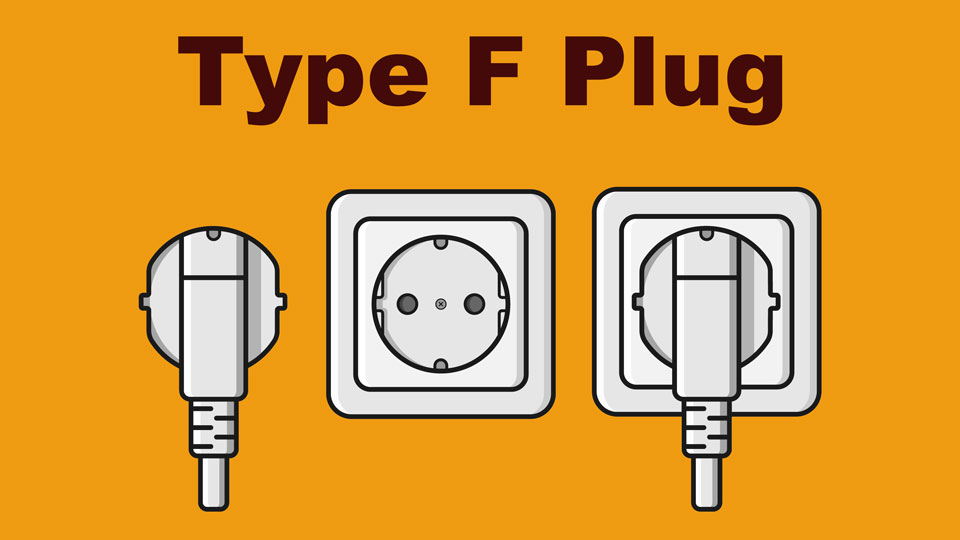
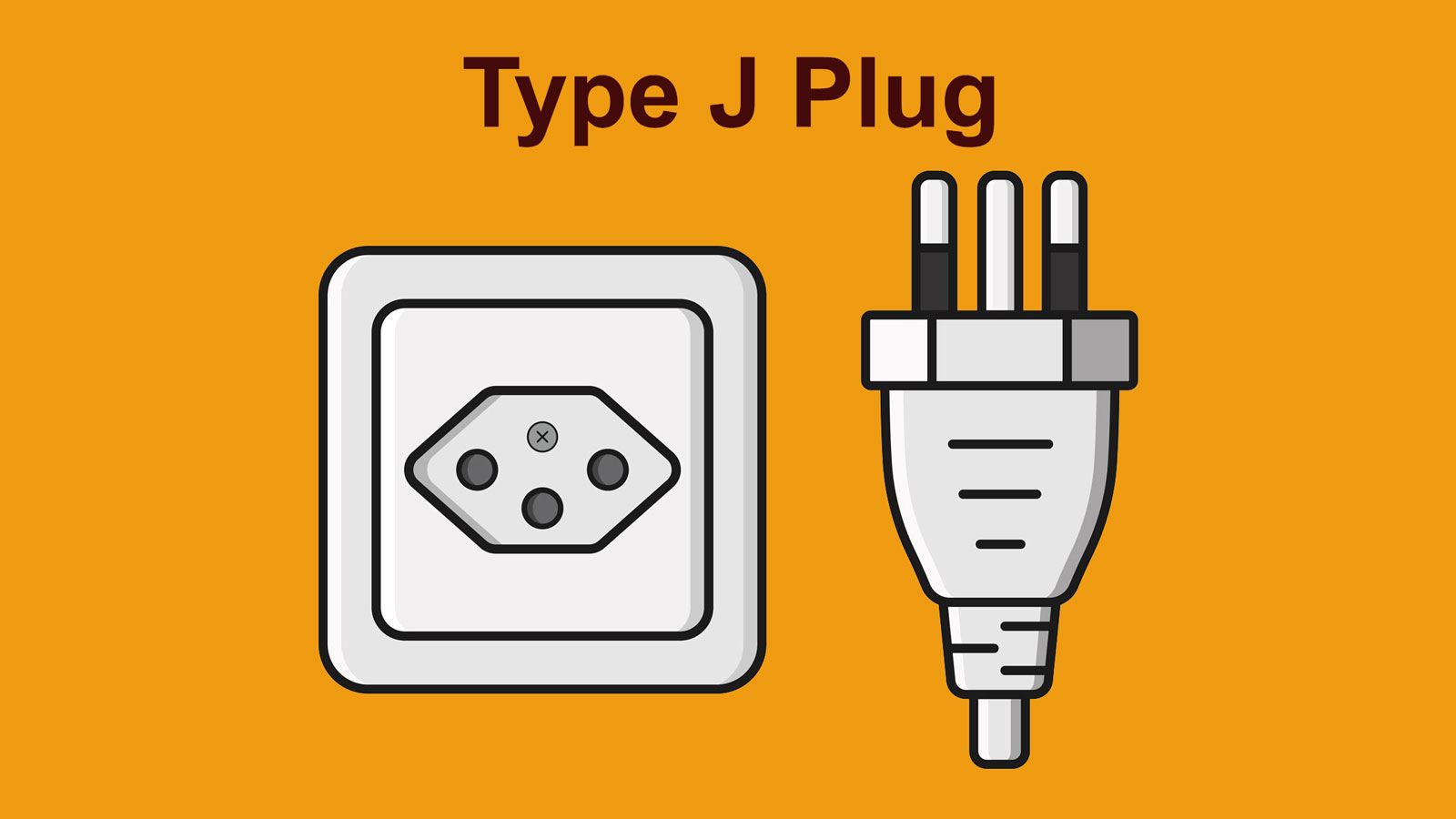
Both Germany and Switzerland operate on a standard electrical system of 230 volts and 50 hertz, meaning appliances from either country will run on the same power specifications. However, their plug and socket types differ. Germany uses Type C (Europlug) and Type F (Schuko) plugs, where the latter features grounding clips on the sides. Switzerland primarily uses Type J plugs, which feature three round pins in a hexagonal layout. While standard Type C Europlugs can fit into Swiss outlets, larger grounded German Type F plugs will not fit into Swiss wall sockets without an adapter due to their recessed hexagonal design.
See the illustrations for reference: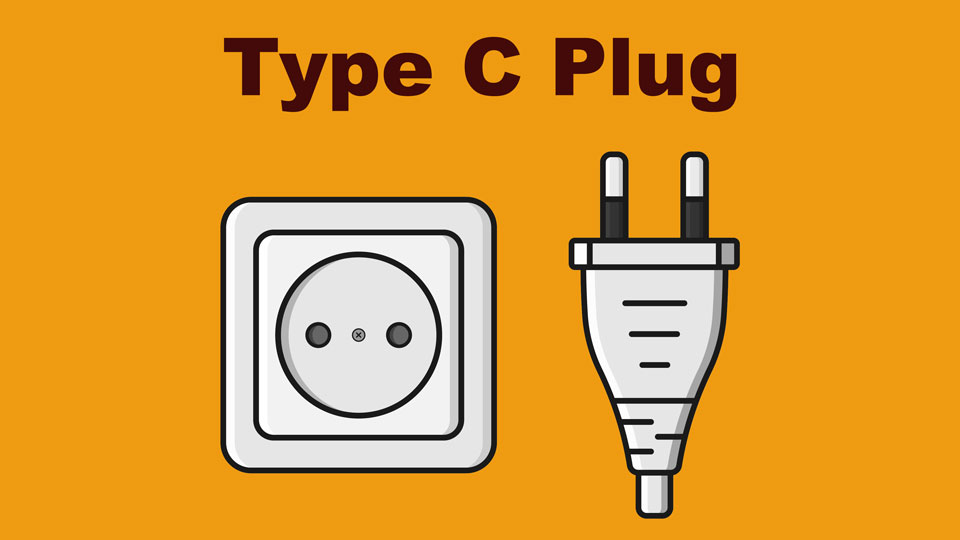
Germany
The country code for Germany is +49. To call a German number from your foreign mobile phone, dial +49, then omit the leading “0” from the local area code before dialing the rest of the number. If you plan to buy a local physical prepaid SIM card (from providers like Telekom, Vodafone, or O2), be aware that German telecommunications law requires strict identity verification before the line can be activated. You cannot simply buy a SIM off the shelf and use it immediately; you must bring your physical passport to the store to register it, and you will typically need to provide your hotel address. Because this process can be tedious and time-consuming, many tourists prefer to download an international travel eSIM before their trip to get instant data access the moment they land.
In Germany, there are two primary, toll-free emergency numbers that can be dialed from any landline, payphone, or mobile phone (even without a SIM card in most cases):
112 – Fire and Medical Emergencies: This is the general European emergency number. Dial 112 if you need an ambulance, paramedics, or the fire brigade in a life-threatening situation (e.g., major medical issues, severe accidents, or fires).
110 – Police: Dial this number if you require immediate police assistance, such as if you are in danger, witnessing a crime, or involved in a serious traffic accident.
Other Important Non-Life-Threatening Numbers:
116 117 – On-Call Medical Service (Ärztlicher Bereitschaftsdienst): Use this number for urgent but non-life-threatening medical issues outside of regular doctor’s office hours (such as late at night or on weekends). The operator can direct you to an open clinic or dispatch an on-call doctor to you.
116 116 – Card Blocking: Dial this number to immediately block stolen or lost credit cards, debit cards, or digital identity cards.
Travel Tip: When you call 112 or 110, operators in major cities and dispatch centers generally speak English, but it is always helpful to know the basics of your location. Remember to state who you are, where you are, what happened, and how many people are involved.
Switzerland
The country code for Switzerland is +41. Similar to Germany, dial +41 and drop the leading “0” of the local area code when making a call from an international phone. Switzerland also mandates identity registration for all prepaid SIM cards (from networks like Swisscom, Sunrise, or Salt), meaning you must present your passport at the mobile shop when purchasing one. The in-store registration process is usually quick and straightforward. However, the most crucial thing to know about mobile service in Switzerland is that it is not part of the EU free-roaming zone. If you bought a physical SIM or an eSIM for Germany or another EU country, do not assume it will work in Switzerland—unless your specific plan explicitly includes Swiss coverage, you could be hit with exorbitant roaming fees the minute you cross the border.
In Switzerland, the emergency system relies on both a general European number and several dedicated national numbers. You can dial these toll-free from any phone or payphone:
112 – General Emergency: This is the universal European emergency number. Dialing 112 connects you to the central police dispatch, who will send the appropriate emergency responders (police, fire, or ambulance). It works from any mobile phone, even if it is locked, has no credit, or does not have a Swiss SIM card.
Dedicated Swiss Emergency Numbers:
While 112 works perfectly for all situations, Switzerland also maintains specific numbers that route you directly to the exact service you need slightly faster:
117 – Police: Dial this for urgent police assistance, such as if you are witnessing a crime or are involved in a traffic accident.
118 – Fire Service: Dial this directly to report a fire or a chemical hazard.
144 – Ambulance / Medical Emergencies: This connects you directly to emergency medical dispatch if someone is seriously injured or experiencing a life-threatening health crisis.
Other Important Alpine and Travel Numbers
1414 – REGA (Swiss Air-Rescue): This is a crucial number if you are hiking or skiing in the Alps. Dial 1414 to dispatch a rescue helicopter for severe mountain accidents or medical emergencies in remote areas inaccessible by ambulance.
140 – Roadside Assistance: Dial this if your car breaks down on a Swiss road or highway (note: if it is an accident involving injury or a blocked lane, you must also call the police at 117).
145 – Poison Control (Tox Info Suisse): Use this for 24/7 expert advice if someone has ingested a poisonous substance.
Travel Tip: Swiss emergency operators are highly trained and are almost always fluent in English, in addition to the national languages (German, French, and Italian). When calling, stay calm and clearly state your exact location before providing any other details.
Germany’s internet infrastructure offers widespread 4G and 5G mobile coverage through major providers like Telekom, Vodafone, and O2, though you may still encounter patchy signals in rural areas or while traveling on high-speed ICE trains. Free public Wi-Fi is commonly available in hotels, cafes, and city centers, but due to the country’s strict digital privacy and historical liability laws, logging into these networks often requires accepting lengthy terms and conditions or verifying your identity via an SMS code. If you plan to buy a local prepaid physical SIM card upon arrival, be prepared for a mandatory identity check that requires presenting your physical passport and sometimes a registered hotel address, which is why many modern travelers prefer downloading an international travel eSIM before their trip to bypass the bureaucracy entirely.
Germany’s top-level internet domain is .de.
Switzerland boasts some of the fastest and most reliable internet services in Europe, with world-class 5G coverage that reaches surprisingly deep into alpine valleys, mountain resorts, and even ski lifts via providers like Swisscom, Sunrise, and Salt. Free public Wi-Fi is ubiquitous and highly reliable at train stations, airports, and hotels, typically requiring only a simple one-click registration to connect. However, the most critical detail for tourists to remember is that Switzerland is not part of the European Union’s free-roaming agreement. If you are traveling with a SIM card or data plan from a neighboring EU country like Germany or France, you must ensure your plan specifically includes Swiss coverage or turn off your data roaming before crossing the border to avoid exorbitant fees, making a dedicated Swiss eSIM or local prepaid card essential.
Switzerland’s top-level internet domain is .ch.
Navigating Local Culture: Etiquette, Customs, and Unwritten Rules
In Germany, greetings are typically formal, polite, and direct. A firm handshake accompanied by direct eye contact is the standard for both business and social introductions. When entering a shop or meeting someone new, a clear “Guten Tag” (Good day) or “Hallo” is expected. It is culturally important to use the formal “Sie” for “you” rather than the informal “du” unless you are explicitly invited to use first names, and addressing people as Herr (Mr.) and Frau (Mrs.) followed by their surname shows respect. Small talk is often kept to a minimum, as Germans generally value straightforward, purposeful communication over superficial chatting.
Switzerland shares this appreciation for politeness but adds its own unique communal nuances driven by its different linguistic regions. The golden rule of Swiss etiquette is to verbally acknowledge everyone when entering or leaving small, shared public spaces—such as boutiques, doctor’s waiting rooms, or elevators—with a friendly “Grüezi” (in Swiss-German areas), “Bonjour” (in the French), or “Buongiorno” (in the Italian). While handshakes are the norm for visitors and new acquaintances, close friends in Switzerland often greet each other with three light kisses on the cheek (usually right, left, right). Across both countries, there is one universal dining rule to remember: when clinking glasses to say cheers (Prost or Santé), maintaining direct eye contact with every single person you toast is absolutely mandatory, as breaking this rule is playfully superstitiously believed to bring seven years of bad luck.
Nonverbal communication in Germany and Switzerland is generally reserved and purposeful, but there are a few specific hand gestures that differ significantly from North American customs. Knowing these can help you avoid misunderstandings or accidental insults.
Counting with the Thumb: If you order “one” beer by holding up just your index finger, the bartender might be confused or bring you two. In both Germany and Switzerland, counting on your hands always begins with the thumb. To signal “one,” hold up your thumb. For “two,” hold up your thumb and index finger.
Pressing Thumbs (Daumen drücken): If you want to wish someone good luck, do not cross your index and middle fingers. Instead, fold your thumb into your palm and wrap your fingers over it into a fist, mimicking a squeezing motion. If a local says, “Ich drücke dir die Daumen” (I am pressing my thumbs for you), they are wishing you luck.
The “Crazy” Tap (Vogel zeigen): Tapping your index finger against your temple or forehead is used to indicate that someone is crazy, stupid, or not thinking clearly. Never do this in traffic. In Germany, this is considered a legal insult (Beleidigung) and pointing it at another driver or a police officer can result in a hefty fine.
Waving a Hand in Front of the Face: Waving your hand back and forth in front of your own face, as if you are fanning away a bad smell, is an informal way to say, “Are you crazy?” or “That is absolute nonsense!” It is a dismissive gesture that should be avoided in polite company.
Knocking on the Table: In Germany, knocking your knuckles on a table serves two unique social functions. In universities, students knock on their desks to applaud a professor at the end of a lecture instead of clapping. In pubs and casual gatherings, knocking on the table is a customary way to greet the whole group at once when you arrive or leave, especially if the table is too large to shake everyone’s hand.
The Toasting Glare: While not a hand gesture, the physical act of toasting comes with strict body language rules. When clinking glasses (saying “Prost” or “Santé”), you must make direct, sustained eye contact with the person whose glass you are touching. Looking away is considered rude and is superstitiously believed to bring seven years of bad luck.
Understanding these gestures and their meanings can enrich your interactions as you travel, helping you connect more deeply with the locals while ensuring clear communication. Remember that context is key: what is acceptable in one setting might not be in another. When in doubt, observe and mirror the behaviors around you.
In Germany and Switzerland, public displays of affection are treated with a relaxed and tolerant attitude, though locals also heavily value discretion and personal space. It is perfectly common and acceptable to see couples holding hands, hugging, or sharing a quick kiss in train stations, parks, and city centers.
However, while moderate affection is completely normal, overly passionate or prolonged physical intimacy in public is generally frowned upon and may draw uncomfortable stares, especially in quieter rural towns or conservative alpine villages. As a general rule, keep your affection respectful of the shared public environment, and you will blend right in without issue.
When visiting the magnificent cathedrals, abbeys, and historic churches across Germany and Switzerland, such as the Castle Church in Wittenberg or Bamberg Cathedral, it is important to remember that these are not just museums, but active places of worship. Here are the essential rules of etiquette to follow:
Dress Modestly: Even during the peak of summer heat, dress respectfully. Both men and women should ensure their shoulders and knees are covered. Tank tops, short shorts, and heavily revealing clothing are frowned upon and may result in you being turned away at the door. Men are also expected to remove their hats or caps immediately upon entering.
Time Your Visit Wisely: Do not treat a church like a tourist attraction while a Mass or service is taking place. If you accidentally arrive during a service, you are usually welcome to sit quietly in the back pews to observe, but you should not wander around the aisles, talk, or take photos. Sunday mornings are generally best avoided for sightseeing.
Silence is Golden: Keep your voice to a hushed whisper, and always remember to mute your mobile phone before stepping inside.
Follow Photography Rules: Look for signage near the entrance regarding cameras. Flash photography is almost universally banned because the intense light can damage centuries-old frescoes and artwork. Some churches prohibit photography entirely, while others may ask you to purchase a small permit at the door to take pictures.
Respect Boundaries: Never cross roped-off areas, and do not walk onto the raised altar or into the private choir sections. These are considered the most sacred parts of the church.
Carry Small Coins: While entry to the main church is almost always free, carrying a few 1- or 2-Euro/CHF coins is very useful. You can use them to light a votive candle, make a small contribution in the donation box (which goes toward the massive costs of maintaining these historic buildings), or pay the modest fee often required to climb the church towers or visit the crypts.
Unlike in many other parts of the world, bargaining and haggling are not a regular part of daily life in Germany or Switzerland. In fact, attempting to negotiate the price of everyday goods will likely result in a very confused or annoyed cashier.
Here are the rules to follow regarding pricing and bargaining:
Retail Shops are Strictly Fixed Price: In supermarkets, boutiques, department stores, souvenir shops, and pharmacies, the price on the tag is exactly what you pay. This price already includes all taxes (VAT), so there are no surprises at the register. You cannot and should not haggle in these environments.
Farmers’ Markets (Wochenmärkte): Local produce markets are fantastic places to visit, but the prices for cheese, bread, meat, and vegetables are generally fixed. Haggling over a bag of apples is considered rude. However, if you are buying a large quantity of items late in the day just before the market closes, the vendor might voluntarily throw in an extra item or round the price down.
The Exception – Flea Markets (Flohmärkte / Brocantes): Flea markets and antique fairs are the only places where haggling is widely accepted and expected. However, the negotiation style is typically low-key and polite, rather than aggressive. If you find an item you like, it is perfectly acceptable to ask, “Was ist Ihr letzter Preis?” (What is your best/last price?) or offer 10–20% below the asking price.
Cash Discounts: Very rarely, in smaller, independent, or family-owned souvenir shops, you might see a tiny sign offering a 2% or 3% discount if you pay in cash (Skonto) rather than with a credit card, but this is a set policy rather than a negotiated deal.
The Bottom Line: Assume every price you see is final. Save your negotiation skills for the weekend flea markets!
Tipping in both Germany and Switzerland is much more modest than in North America because service and VAT (taxes) are legally included in all listed menu prices. A tip is considered a polite bonus for good service rather than an obligatory wage supplement.
Here are the specific rules to follow for each country and situation:
Restaurants & Cafes in Germany
The Amount: It is customary to tip 5% to 10% for good service.
The Method (Crucial): Never leave cash on the table when you leave. When the server brings your bill, they will usually process the payment right at the table using a wallet or a portable card reader. You must tell them the total amount you wish to pay before they run the card or make change. For example, if your bill is €22.50 and you want to leave a tip, you hand them a €50 bill (or your card) and say, “Fünfundzwanzig, bitte” (Twenty-five, please). If you hand them exact cash including the tip, you simply say, “Stimmt so” (Keep the change).
Restaurants & Cafes in Switzerland
The Amount: Tipping is entirely optional. However, it is very common to simply round up to the next convenient number or add a few Francs for good service. For instance, if your meal costs 46 CHF, you might tell the server to make it 50 CHF.
The Method: Similar to Germany, you generally tell the server the final rounded amount you wish to pay when they bring the card machine to your table.
Bars & Pubs:
If you are ordering a single beer or coffee at a bar, just round up to the nearest Euro or Franc. If a beer is €3.80, hand them €4.00 or €4.50.
Taxis & Rideshares
Tipping is not strictly required, but rounding up the fare to the nearest Euro or Franc is standard practice. If the driver helps with heavy luggage, adding an extra €1–€2 or 1–2 CHF is appreciated.
Hotels & Tour Guides
Porters/Bellhops: €1 to €2 (or 1–2 CHF) per bag.
Housekeeping: €1 to €2 (or 1–2 CHF) per day, left on the nightstand or desk at the end of your stay.
Tour Guides: For a guided group tour, tipping €5 to €10 (or 5–10 CHF) per person at the end of the tour is customary if the guide was knowledgeable and engaging.
Alcohol Laws & Etiquette
The Drinking Age: In both Germany and Switzerland, the legal drinking age is 16 for beer and wine, and 18 for spirits and hard liquor.
Public Drinking: Drinking alcohol in public is entirely legal and socially acceptable in both countries. In Germany, enjoying a Wegbier (a beer for the road) while walking through the city or sitting in a park is a beloved cultural norm.
Strict DUI Laws: Do not drink and drive. Both countries enforce a strict blood alcohol limit of 0.05% (lower than the US standard of 0.08%). If you are under 21 or have held your driver’s license for less than two years in Germany, the legal limit is exactly 0.00%.
Tobacco Rules
Smoking Age and Indoor Bans: The legal age to purchase tobacco is 18. Smoking is strictly banned inside restaurants, bars, and public buildings. However, if you are dining on an outdoor terrace, expect locals to light up at neighboring tables, as outdoor smoking is widely permitted.
Train Station Zones: You cannot smoke freely on train platforms. Both countries confine smokers to strictly marked designated areas—in Germany, you must stand inside the yellow painted squares on the platform. Smoking outside these zones will result in a fine.
Is Marijuana Legal?
In Germany: Yes, Germany legalized recreational cannabis for adults in 2024, but with a major catch for tourists: you cannot legally buy it. There are no commercial dispensaries like in Amsterdam or California. Legal weed is distributed exclusively through non-profit “cannabis clubs” that require local German residency. While it is legal for adults to possess up to 25 grams and smoke in public (provided you are away from schools, playgrounds, and daytime pedestrian zones), tourists have no legal avenue to purchase it.
In Switzerland: Recreational THC cannabis remains illegal. Possession of small amounts (under 10 grams) is decriminalized and usually results in a 100 CHF on-the-spot fine rather than a criminal record. However, low-THC “CBD weed” (under 1.0% THC) is completely legal and sold openly in kiosks, supermarkets, and specialty shops. Some Swiss cities are running pilot programs for legal recreational THC, but these are strictly restricted to registered local residents, not tourists.
Do’s and Don’ts for Safe Travel in Germany and Switzerland
Germany and Switzerland rank among the safest countries in the world for travelers. Violent crime is incredibly rare, and you can generally feel secure walking around most cities, even late at night. However, no destination is entirely without risk. As a tourist, your biggest concerns will be petty crime and environmental hazards.
Here is what you need to keep an eye on to stay safe:
Pickpocketing in Tourist Hubs: This is the most common crime against tourists. Pickpockets operate in crowded areas like major train stations (such as Frankfurt Hauptbahnhof or Zurich HB), bustling Christmas markets, and tourist-heavy squares like Berlin’s Alexanderplatz or Munich’s Marienplatz. Keep your wallet in a front pocket, wear cross-body bags securely zipped, and never leave your phone sitting on a cafe table.
The “Petition” Scam: Be wary of individuals, often teenagers or young adults, approaching you with a clipboard, pretending to be deaf or mute, and asking you to sign a charity petition. Once you sign, they will aggressively demand a cash donation. In some cases, the clipboard is used as a physical distraction to block your view while an accomplice picks your pocket. Just offer a firm “Nein” and keep walking.
Train Station Vigilance: While the public transit systems are exceptionally safe, the immediate areas surrounding major German train stations can sometimes attract rougher crowds, particularly late at night. Stay in well-lit areas, walk with purpose, and ignore anyone asking for money or offering unsolicited help with your luggage.
Alpine Safety (The Real Danger): In Switzerland and southern Germany, the biggest threat to your safety isn’t other people, it is the environment. The weather in the Alps can shift from bright sunshine to a freezing whiteout or severe thunderstorm in minutes. If you are hiking, always stay on marked trails, check the local mountain weather forecast before you set out, and ensure you have proper footwear and warm layers, even in the middle of summer.
The “Spilled Drink” Distraction: Be cautious if someone “accidentally” bumps into you and spills a drink, ice cream, or mustard on your jacket. As they profusely apologize and try to help you wipe it off, their real goal is to distract you while they empty your pockets. If this happens, step back immediately and insist on cleaning it yourself.
While violent crime is exceptionally rare in Germany and Switzerland, pickpockets thrive in crowded train stations, tourist squares, and busy markets. Making yourself a hard target comes down to a few daily habits.
Secure your baseline: Leave your physical passport, backup credit cards, and bulk cash in your hotel safe. Carry only the cash you need for the day, one primary card, and a digital or paper copy of your passport on your person.
Adopt the front-pocket rule: Never keep your wallet or phone in your back pockets or in the unzipped outer pockets of a backpack. If you carry a daybag, choose a cross-body style that zips securely, wear it in front of you, and rest your hand over the zipper in dense crowds.
Secure your table: Never leave your phone sitting out on a cafe or restaurant table—it is the easiest target for a snatch-and-grab or the “petition scam” distraction. When sitting down, loop your bag’s strap around your arm or the leg of your chair rather than hanging it casually on the back of your seat.
Watch the doors: Be hyper-vigilant during the chaotic moments of boarding and exiting trains or trams. Thieves frequently use the “bump and grab” tactic right as the doors are closing, snatching a phone or wallet and stepping back onto the platform before you realize what has happened.
Separate your funds: Do not keep all your money in a single wallet. Keep a small amount of cash easily accessible for quick purchases like coffee or transit tickets, and stash the rest of your cash and primary credit card in a deeper, more secure inner pocket.
Maintaining your health and hygiene on the road starts with the basics. Fortunately, you can drink the tap water everywhere in Germany and Switzerland; in fact, Swiss tap water often comes directly from pristine alpine springs, so pack a reusable water bottle to stay hydrated and save money. When nature calls while you are out exploring, be prepared to pay. Public restrooms in train stations, highway rest stops, and city centers are exceptionally clean, but they are almost never free. You will generally need a 50-cent or €1 coin in Germany (often for the automated Sanifair turnstiles) or a 1 to 2 CHF coin in Switzerland to access the facilities, making it essential to always keep some pocket change handy.
If you catch a cold, develop a blister, or just need basic pain relief, do not waste time looking for medicine in a grocery store. In both countries, even basic over-the-counter medications like ibuprofen, cough syrup, or allergy pills are sold exclusively at pharmacies—look for the illuminated red “A” (Apotheke) in Germany, or the green cross in Switzerland. Pharmacists here are highly trained, typically speak excellent English, and serve as a fantastic first point of contact for minor medical advice. Finally, if your itinerary includes hiking in the Black Forest or the Swiss Alps, be vigilant about ticks. They are prevalent in grassy and wooded areas during the warmer months and can carry Lyme disease or tick-borne encephalitis (TBE), so apply strong insect repellent and always do a quick tick check after a day on the trails.
When discussing politics and history in Germany and Switzerland, the cultural norms and legal boundaries differ significantly from North America.
Here are the essential dos and don’ts for navigating these topics:
Germany: History and the Law
DON’T ever use Nazi symbols or gestures. This is not just a major cultural taboo; it is a serious criminal offense. Performing the Nazi salute, displaying the swastika, or denying the Holocaust will result in immediate arrest, severe fines, and potential jail time. Ignorance or claiming it was a “joke” is not accepted as a legal defense.
DO behave respectfully at memorials. Places like the Memorial to the Murdered Jews of Europe in Berlin or former concentration camps like Dachau are sites of mourning. Do not treat them as playful photo opportunities, do not sit or climb on the monuments, and keep your voice lowered.
DO feel free to discuss current events. Germans are generally highly educated on global and domestic politics and are open to deep, direct discussions. They do not shy away from their country’s dark 20th-century history, but they expect the topic to be treated with academic seriousness and respect.
DON’T bring aggressive polarization to the table. German political culture values coalition-building and compromise. Highly emotional, aggressive, or partisan debate styles often seen in US politics are generally viewed as rude or unproductive.
Switzerland: Neutrality and Consensus
DO respect their neutrality. Switzerland’s political neutrality is a deeply ingrained part of its national identity and foreign policy. Avoid lecturing locals on why their country should join certain international alliances or take sides in global conflicts; they are fiercely proud of their independent, mediating role in the world.
DON’T be surprised by constant elections. Switzerland operates on a system of direct democracy. Citizens vote on referendums multiple times a year, deciding on everything from national defense budgets to local zoning laws and minimum wage. They are highly engaged and will often gladly explain the nuances of their unique system if you ask politely.
DO keep it polite and private. While the Swiss are well-informed, they tend to be more private and reserved than Germans. Politics is not a taboo subject, but it is usually discussed in a calm, diplomatic, and intellectual manner rather than as a heated debate.
DON’T assume they are part of the EU. While geographically surrounded by the European Union and participating in the Schengen open-borders area, Switzerland is decidedly not an EU member state. Referring to them as part of the EU can be a mild annoyance to locals.
When it comes to illegal drugs (such as cocaine, MDMA/ecstasy, heroin, amphetamines, and psychedelics like LSD), the laws in both Germany and Switzerland are strictly enforced, and tourists are granted no leniency.
Here are the most important warnings to keep in mind regarding other controlled substances and illegal drugs:
Severe Penalties: In both countries, the possession, purchase, use, or trafficking of hard drugs is a serious criminal offense. Under Germany’s Narcotics Act (BtMG) and Swiss federal law, violations can result in heavy financial fines or lengthy prison sentences (up to five years for unauthorized possession in Germany, with even longer minimums for trafficking).
Airport Security is Ruthless: Never attempt to travel with illegal substances, even in transit. Airports in Germany (like Frankfurt and Munich) and Switzerland (like Zurich and Geneva) utilize highly advanced scanning technology and sniffer dogs. This applies to transit passengers as well—your baggage is screened even if you are just passing through to another destination.
Prescription Medications: If you require strong prescription medications (such as heavy opioids or ADHD stimulants like Adderall), you cannot simply carry them in an unmarked pill bottle. You must carry a doctor’s note or an official Schengen medical certificate proving the medication is legally prescribed to you for personal use (typically limited to a 30-day supply). Without this documentation, authorities may classify your medication as an illegal narcotic.
The “Tourist” Defense Fails: Claiming ignorance of local laws or stating that you are “just a tourist” will not protect you from arrest, fines, or deportation. Your home embassy can help you find a local lawyer, but they cannot get you out of jail or override local drug laws.
Border Crossings: While there are no hard borders between Germany and Switzerland due to the Schengen open-borders agreement, customs officials (Zoll) frequently perform random spot checks on trains, buses, and highways near the border. They actively search for illegal drugs, and a casual cross-border trip can quickly turn into a serious legal nightmare if you are caught holding illegal substances.